



Flexible work arrangements don't have to look the same for everyone
Melanie Mansfield • September 7, 2026
Flexibility has been a major part of workplace conversation in the last few years, but now the discussion is starting to move beyond simply whether businesses offer flexible work.
Instead, the focus is shifting towards what flexible arrangements can look like for different people, and whether there should be a one-size-fits-all approach.

Recent conversations with businesses have highlighted a more individual approach to flexibility. Rather than offering every employee the same arrangement, some are now looking to find an approach that works for both the person and the business.
For one person, that might mean working from home two days a week. For another, it could be a nine-day fortnight, different start and finish times, compressed hours. Alternatively, no flexibility at all if neither the role and individual require it.
Fair doesn't always mean "same"
A universal approach to flexibility can be appealing as it's straightforward, easy to communicate and seemingly fair.
But treating everyone the same doesn't necessarily create the most effective outcome.
Different roles have different requirements, and people have unique circumstances and preferences. Where there is room to adapt, being open to a conversation about what could work can benefit both the individual and the business.
Flexibility is part of the hiring conversation
From a recruitment perspective, we're seeing firsthand how much flexibility can influence a candidate's decision.
Here’s a recent example:
Two recent finance roles offered very different approaches. One provided flexibility around hours and start and finish times, alongside two days working from home. The other offered no work-from-home option and no opportunity for reduced or compressed hours.
The difference in both the number and quality of applicants was significant.
It's a useful reminder that flexibility isn't simply an employee benefit. For businesses attracting (and retaining) great people, it can influence who actually applies to the role.
Candidates are looking for flexibility that works for them
What we're seeing in the market isn't necessarily a demand for one particular type of flexible work arrangement. Instead, candidates are increasingly looking for options that fit their individual circumstances.
For one person, that might help manage family commitments. For another, it could make a long commute more manageable or simply provide a working pattern that allows them to perform at their best.
Finding the right balance
Flexibility won't look the same across every role or organisation, and some arrangements simply won't be practical.
But a generic "everyone gets the same" or "we don't offer flexibility" approach can close down the conversation before it has even started.
For businesses looking to attract and retain great people, it's an opportunity to consider where there is room to be flexible and have more open conversations about what could work.
Flexible work arrangements don't have to look the same for everyone to be fair, effective or valuable. Sometimes, the most effective approach is simply being open to the conversation.

Finance Recruitment Market Trends: what we're seeing in South Australia's finance recruitment market, including candidate availability, salary expectations and the impact of AI and automation.
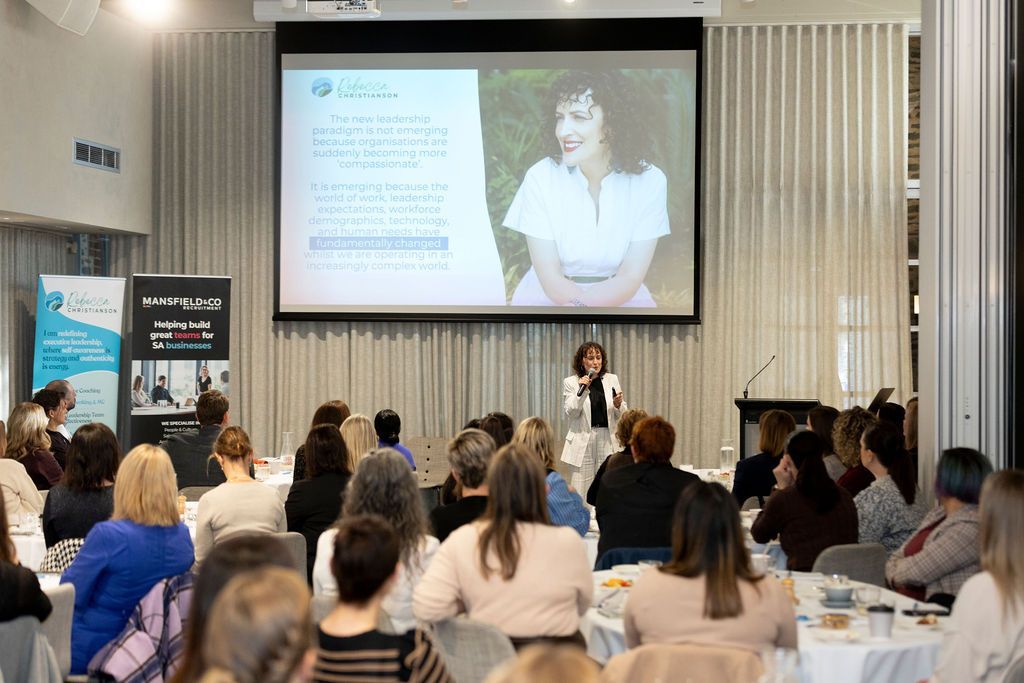
Thank you to everyone who attended our fantastic breakfast event and celebrated 10 years of Mansfield & Co with us. Our keynote speaker Rebecca Christianson presented “The New Leadership Paradigm – Why the Old Rules No Longer Work” , exploring nine elements of this new leadership paradigm, and how this framework can fundamentally shift how we lead, influence and deliver outcomes in an increasingly complex world. We were also joined by a panel of exceptional leaders who shared their perspectives and experiences. A special thank you to: Kathryn Keenihan, Junction Australia Matthew Evans, Agilex Biolabs Shari Dayton, CMV Group We were thrilled to have so many South Australian leaders and familiar faces join us for a morning of networking, inspiration and insightful conversation.

Whether you’re a business leader or HR manager, understanding the true value of temp employees can help you build a more agile, effective team.