



What candidates tell recruiters (but not always employers)
Melanie Mansfield • November 11, 2026
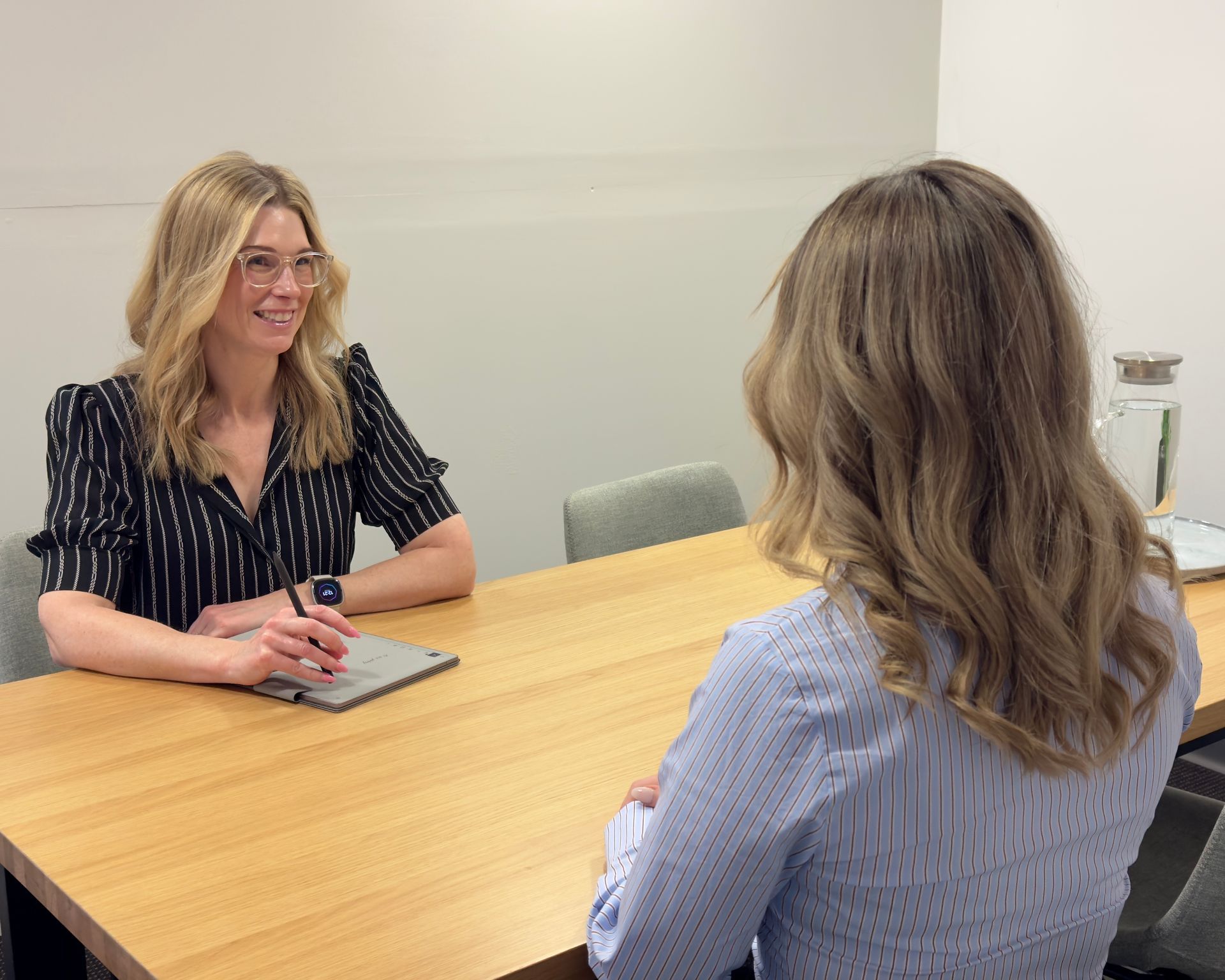
One of the interesting things about working in recruitment is how open candidates can be with us, more so than they might be with a prospective employer.
We're often trusted with honest feedback that candidates may not share directly with a prospective employer, and those conversations give us valuable perspective on what's really influencing career decisions.
While salary, responsibilities and benefits all play a part, they're rarely the only factors. In many cases, the experience throughout the recruitment process can influence a candidate's decision.
After interviewing thousands of professionals over the years, there are a few themes that come up regularly.
"The role sounds great, but something just didn't feel right."
Sometimes a role looks perfect on paper. The responsibilities are interesting, the salary is competitive and the organisation has a strong reputation.
Yet candidates still walk away.
More often than not, it comes down to the impression they get during the interview process.
Leadership style, team dynamics and company culture are difficult to communicate in a position description, but candidates are assessing these elements from their very first interaction with employers.
"I'm not sure they're that interested in me."
Candidates notice more than you might realise, and small moments throughout the hiring process often leave the biggest impressions.
We often hear comments like "I'm not sure they're that interested in me" or "I wish they'd been more upfront".
Candidates pick up whether interviewers are engaged, what their communication is like and whether expectations are clear from the beginning. Transparency builds trust, while uncertainty can quickly create doubt.
"I've got a lot going on outside of work."
Not every decision is about the role itself. Candidates will regularly share considerations with us that may never come up during an interview. They’re often balancing family commitments, considering a long commute, managing their wellbeing or waiting on another opportunity.
These factors don't necessarily reflect a lack of interest. They're simply part of the broader context people use when making career decisions.
Recruitment is a two-way assessment
It's easy to think of recruitment as employers assessing candidates. In reality, candidates are making their own assessment every step of the way.
They're evaluating leadership, culture, communication, flexibility and whether they can genuinely see themselves thriving within the organisation.
The businesses that consistently attract great people aren't always the ones offering the highest salary. More often, they're the organisations that communicate well, create a positive candidate experience and are transparent about both the opportunities and the challenges of the role.
Remember to look beyond the position description
A position description tells candidates what the job involves, but the recruitment process tells them what it might be like to work there.
For employers looking to attract and retain great people, that's an important distinction to remember.
October was an interesting month for us on the recruitment front!

Finance Recruitment Market Trends: what we're seeing in South Australia's finance recruitment market, including candidate availability, salary expectations and the impact of AI and automation.

Flexibility has been a major part of workplace conversation in the last few years, but now the discussion is starting to move beyond simply whether businesses offer flexible work. Instead, the focus is shifting towards what flexible arrangements can look like for different people, and whether there should be a one-size-fits-all approach.